The food and beverage industry is one of the most susceptible to changing trends, micro trends, and local trends. It is heavily influenced by social media, with other countries’ cultures taking a new lead in how people shop and eat. One of 2021’s biggest trends were focusing your diet on being plant based. The Guardian (2021) reported that 125,000 people in the UK took up the 2021 Veganuary Pledge to only eat plant-based food in January. This number has increased by 100,000 since 2020, and double the number in 2019. In 2019, a quarter of food products introduced in the UK were plant based, which is a huge increase from the one in six in 2018.
On a wider scale, many fast food chain companies have adapted the vegan lifestyle into their menus. McDonald’s introduced the ‘McPlant’, a vegan burger to rival the Big Mac. As well as that, Burger King brought Vegan Nuggets to the table, as well as adapting their two classics to become the ‘Plant Based Whopper’ and the ‘Vegan Royale’. Although they are a small change, compared to the hundreds of meat products already being offered, its promoting ways for people who perhaps couldn’t afford to change their general lifestyle, to try new foods.
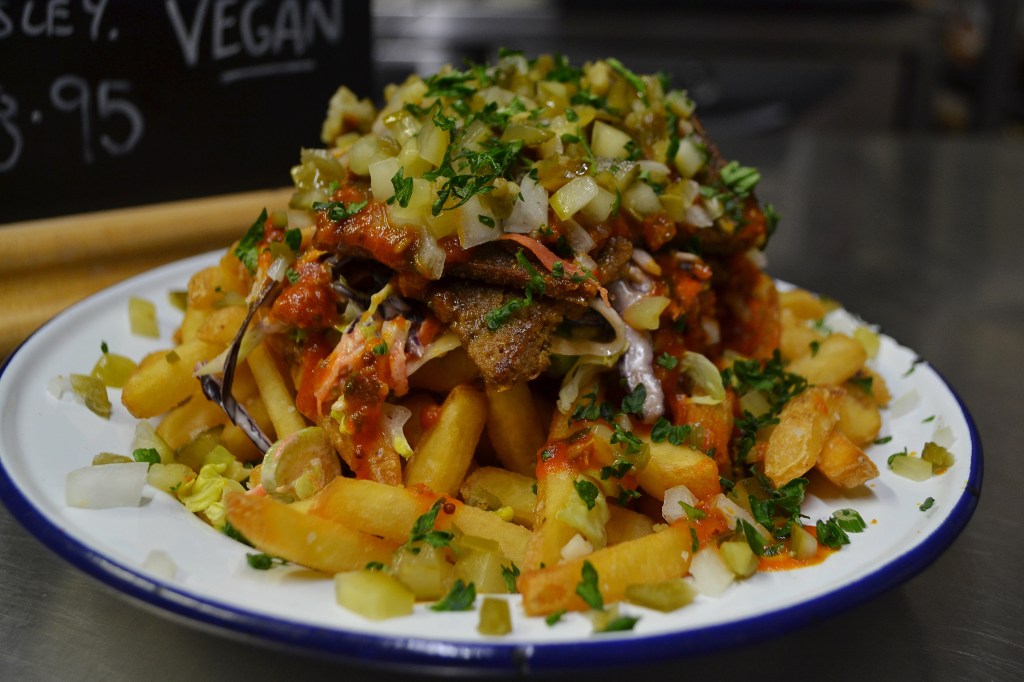
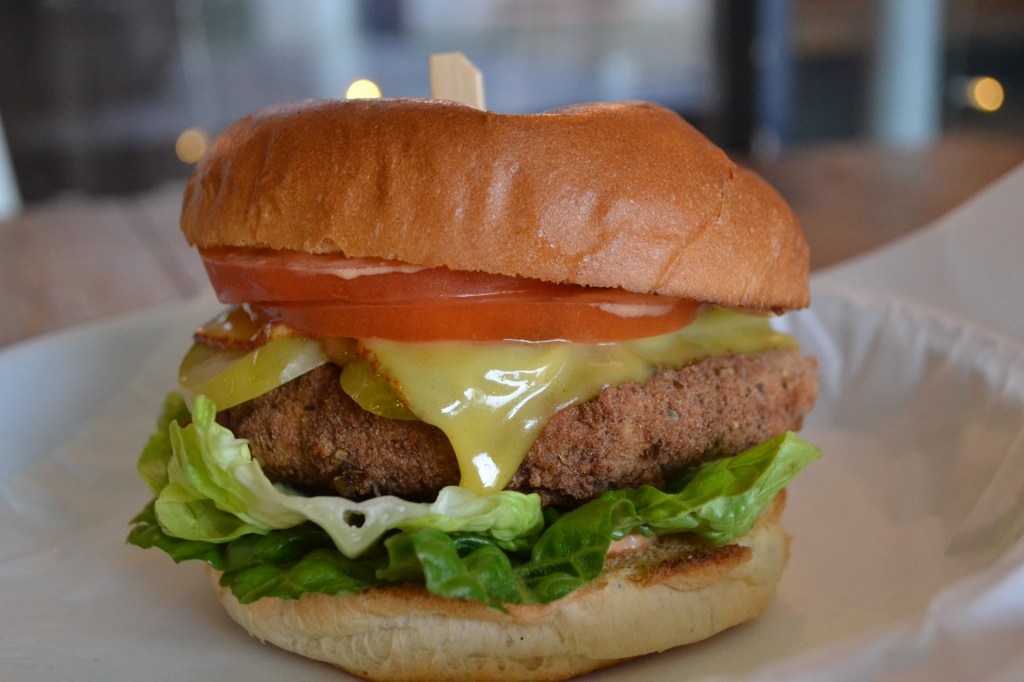
Locally to Falmouth, many businesses have also adapted. Sloth and Sparrow are a completely vegan restaurant, offering ‘chicken’ burgers, classic burgers, and loaded fries, as well as sides like mac and cheese, nuggets, and ‘cauli wings’. Other local businesses are adding vegan options to the menu, such as The Meat Counter. They feature vegan specials, as well as vegan burgers and sides that are on their standard menu. It’s a push that is being backed by communities, and it’s warming to see so many people keen to try this new diet.
This change is also being taken on within many coffee shops. Starbucks have started offering vegan sandwiches as well as plant-based bakery products. The most notable change from Starbucks is the more recent decision not to charge for alternative milks. Previously, to have an alternative milk in your coffee, you had to pay an extra 40p, but as this began to be more highly requested, Starbucks made the impressive decision to scrap that policy, and increase the prices of all products to include the cost of those alternative milks and make the option free (Webber 2021). Pret a Manger has also followed this, dropping their charges on alternative milks and expanding their menu (Living 2020). On the other hand, Costa made the alarming decision to switch their alternative milk providers for Veganuary, now stocking the brand AdeZ. This choice has concerned many people with a gluten intolerance or Coeliac Disease, as none of their alternative milks are regarded as gluten free. Furthering the issue, Costa steam all their drinks with the same wand, so even dairy drinks would be contaminated (Buchan 2022). Although a step in the right direction, this issue shows that improving your sustainability must be carefully researched and the knock on effects considered. Locally to Falmouth, many coffee shops offer alternative milks. Forty Five offer oat, soya, and coconut milk, as well as plant based baked goods. Rubicund is an entirely plant based coffee and book shop, with affordable alternatives, as well as a welcoming educational environment. Koala Karlous is another local coffee shop that offers alternative options.
 Millie Meg’s Coffee Shop