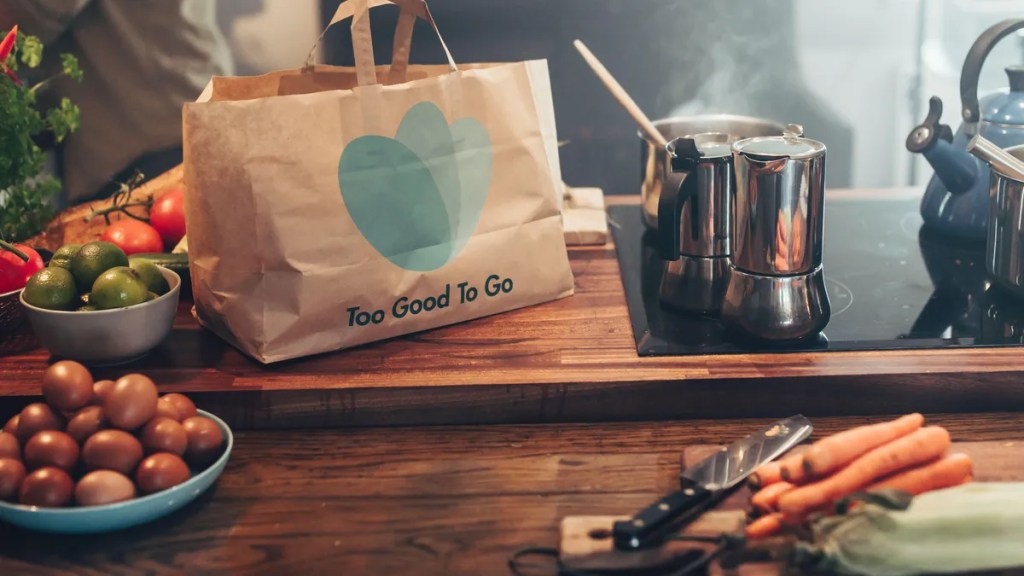
Creating my business plan for my own coffee shop, it’s so important that I consider as many sustainable options as possible from the start. Following my last blog post, I have researched many routes I can follow to reduce my business’ waste. While looking at how much food waste is generated I decided this was a very important issue for me to resolve. Some of these include donating the products I don’t need to food banks, as well as offering discounts at the end of the day, and ‘pay it forward bags’. The supermarket Morrison’s have introduced ‘Pick up Packs’ that range in price, and inside contain essentials such as fruit and veg, canned goods, rice, and pasta that can be bought at the checkout and then donated to the foodbank. Interpreting something like this into a coffee shop would benefit the local community, by allowing people to pay a discounted price for the food that will be thrown away at the end of the day and donate it to foodbanks or even homeless people around their local area (Morrisons 2022). Another company promoting zero waste is the app ‘Too Good to Go’. Currently being used by 19,103 and UK businesses, this app allows customers to reserve cheap surplus food bags in the morning, and then collect them in the afternoon before the business closes. These bags contain any food that would have been going to waste, for a heavily discounted price. Big chains such as Starbucks, Costa, and Yo! Sushi are using this app, and it is currently being used by 8.4 million customers, with 76% returning as regular customers (TooGoodToGo 2020). Signing up for an app like this would help lower waste, as well as win back sunk costs. It’s a sustainable way to continue to order enough stock, while engaging with customers.
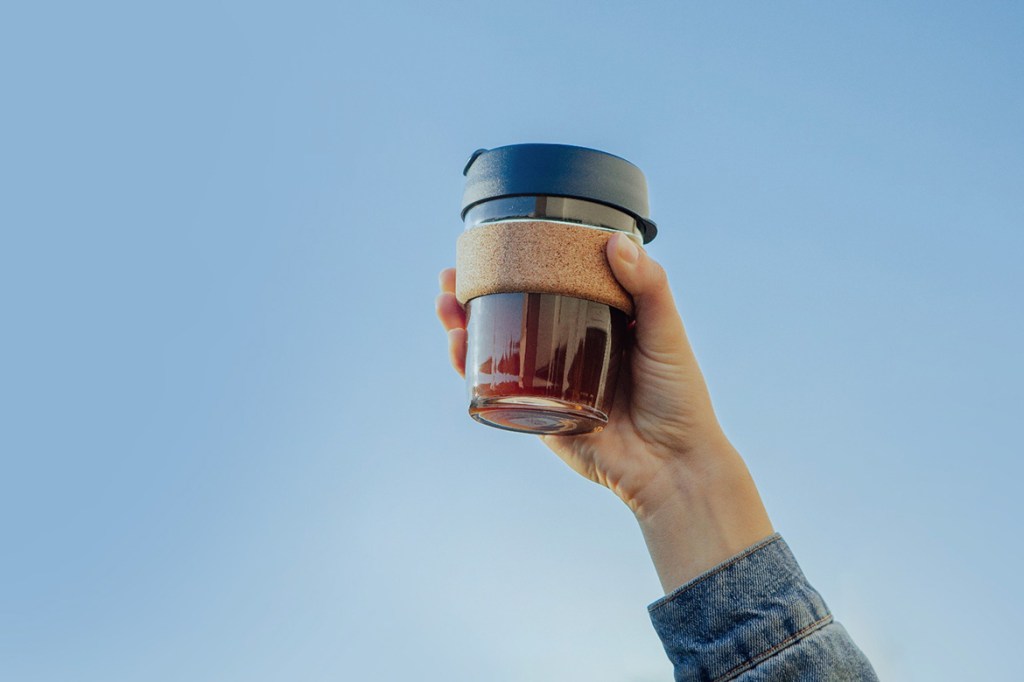
The biggest culprit of waste within coffee shops is cups, and I would like a wide range of options available to my customers so they can do their part. Firstly, offering my own branded reusable cups, available to purchase within store with an incentive, such as a free hot drink when you first purchase, and money off all drinks when you use a reusable cup. Businesses such as Starbucks currently offer a 25p discount to all customers who bring their own cups, which is something I could also offer (Starbucks 2020). Ensuring that the reusable cup options I offer are also sustainable products themselves is also something I have researched. KeepCup is a company that offer barista grade reusable coffee cups, focusing on minimising waste throughout the manufacturing process. Any waste plastic throughout the process is returned to the manufacturer to be used to manufacture other products (KeepCup 2017) . They offer personalisation, as well as wholesale orders, so that I can add my busines logo to it. This personalisation and incentive will encourage regular customers to cut down on their waste in a conventional way.
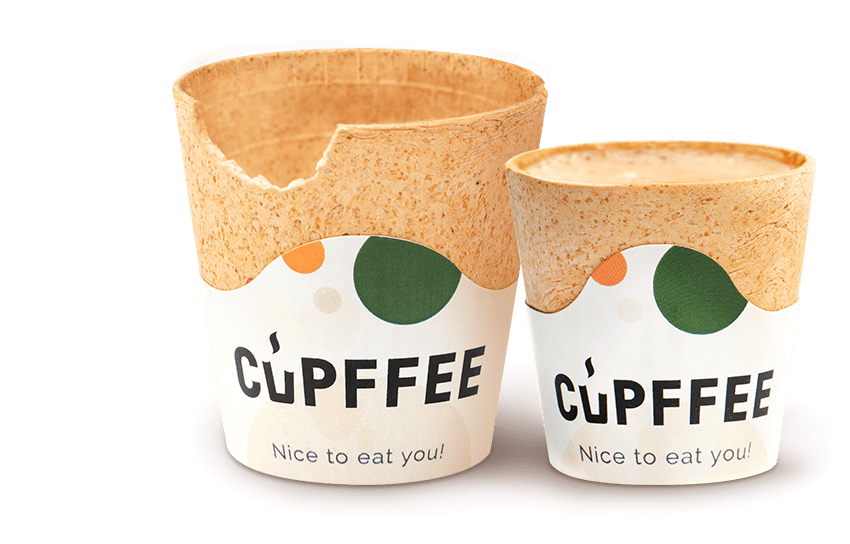
Another cup option I have researched is edible coffee cups. There are currently two companies leading the edible coffee cup scene; BioBite, and Cupffee. Both are vegan, and wafer based edible cups. I have chosen to research Cupffee more in depth as I have personally used this product. Cupffee is a Bulgarian company offering two sizes of wafer cups, holding liquids of up to 85°C for 40 minutes, and are low calorie. They also provide a recyclable carton holder, so you can place your drink down, that can be customised with your brand logo. This has been used by brands such as Bosch, H&M, and Nescafe (Cupffee 2021). For customers, this option offers a quirky and tasty way to reduce their cup waste, while also getting an extra snack. Although perhaps not appealing to those looking to grab a quick coffee, those who are looking for more of a slow stop off would most likely be the key target market. Despite being slightly more expensive, this product could also be charged per cup, creating a profit. It would also give my business a USP on top of the clear push for sustainability.
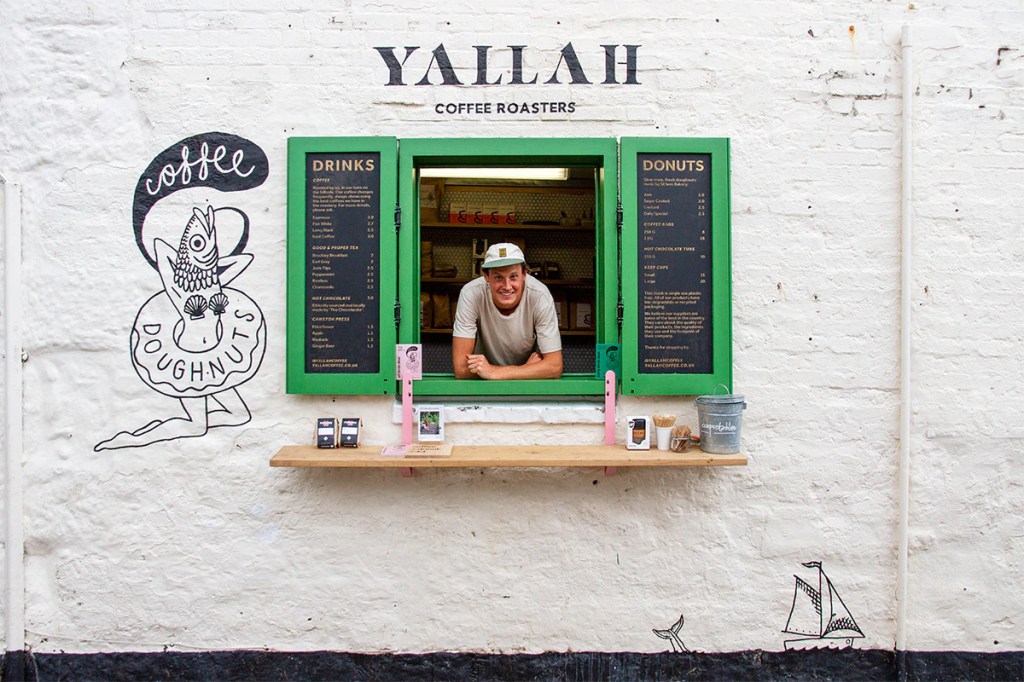
The next decision to make is what coffee to use and stock. Local to Cornwall is the coffee roasters Yallah. They promote social, economic, and environmental prosperity while minimising their company’s impact. They import their coffee by sail which is a carbon free alternative, and use 100% plastic free packaging wherever they can. They also power their roastery with renewable energy, which are steps that genuinely make a difference to the planet. Their packaging strives to be some of the most sustainable on the market, with their 250g bags boasting the only product in the world to use ‘earth pouch’ material. They are 100% plastic free, and make recycling easy by being accepted with household paper. Their 1kg bags are Omnibiodegradable, meaning they will breaking down in a variety of environments. They leave behind organic biomass which is beneficial to plant growth. Partnering with Trees For Life, they fund projects to plant trees and rewild the Scottish Highlands, as well as helping with native animal reintroduction (Yallah 2021). Supporting a local coffee provider that gives back to the people and planet, as well as one that produces high end coffee is essential to the backbone of a coffee shop.
These choices are only a very limited selection within a very broad range of issues, but when it comes to finalising my plan and putting things into place I can revise those choices and make even more finishing touches.
 Millie Meg’s Coffee Shop